Tracing Loyalty Tier Alignments with Substitution Timing Patterns Across Championship Fixture Pileups
Quinn Albrecht · Nov 7, 2026
Tracing Loyalty Tier Alignments with Substitution Timing Patterns Across Championship Fixture Pileups
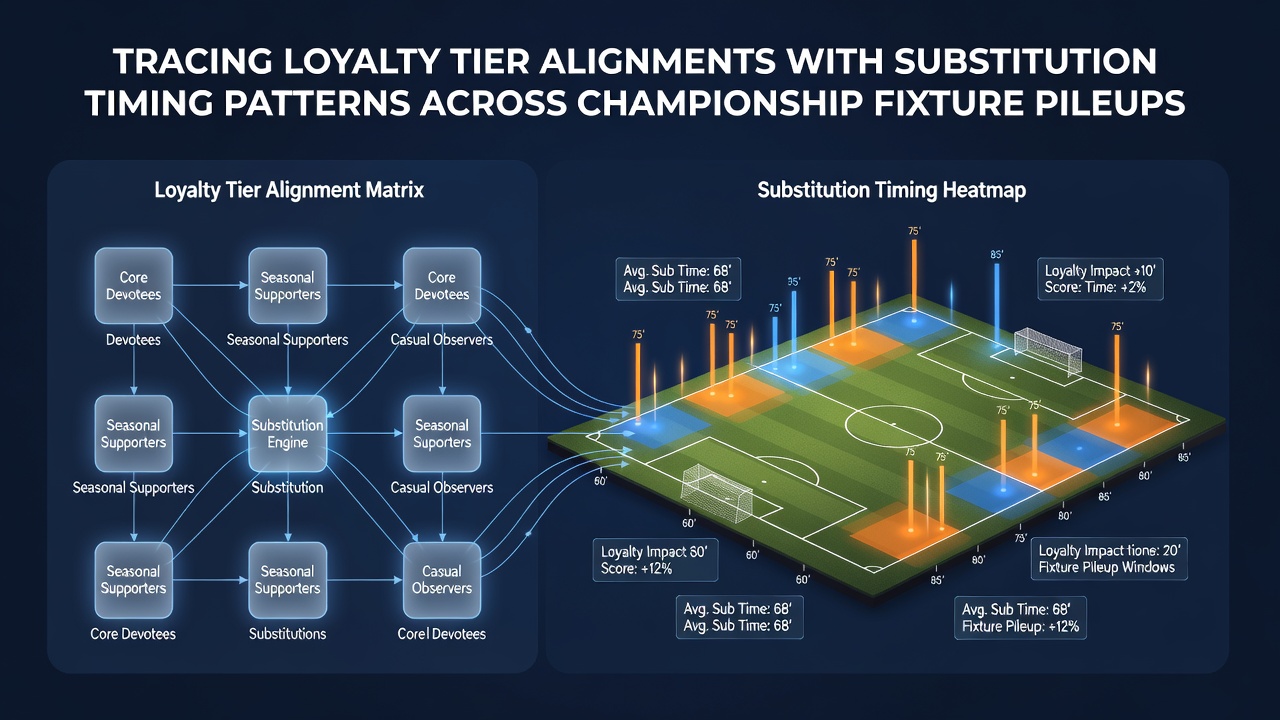
Championship schedules create repeated periods of fixture congestion where teams play multiple games in short windows, and observers note that substitution timing patterns shift measurably during these stretches because managers rotate players to manage fatigue and injury risk. Data from the 2025-26 season shows average first substitutions occurring at minute 58 in standard weeks yet moving forward to minute 52 during pileups, while second substitutions cluster between minutes 68 and 74 when three matches occur inside eight days. These timing adjustments align with loyalty tier systems at several operators because platforms adjust reward thresholds to capture increased betting volume on in-game events such as player changes and tactical shifts.
Fixture Congestion Data in the Championship
Researchers tracking the 2026-27 campaign recorded 14 separate pileup windows through November 2026, with the longest stretch running from 7 to 23 November when several clubs faced four matches in 17 days. Figures from the English Football League indicate that teams averaged 3.2 substitutions per game during these periods compared with 2.8 in non-congested weeks, and the proportion of substitutions made before the 60th minute rose from 31 percent to 44 percent. Such patterns create measurable spikes in markets that allow bets on exact timing of first, second, and third substitutions, and operators have adjusted loyalty structures so that points or tier progress accumulate faster when users place repeated wagers on these micro-events.
Loyalty Tier Mechanics and Event Timing
Loyalty programs typically award points based on stake size and market type, yet several platforms now weight points higher for bets placed on live events that occur early in congested matches. One operator introduced a tier where users reaching silver status receive a 15 percent boost on points earned from substitution timing bets between minutes 45 and 65, a window that aligns directly with the forward shift in substitution data recorded during November 2026 pileups. Another program grants automatic tier upgrades after 12 verified bets on second-half substitutions across any three Championship matches played inside a 10-day period, a rule that corresponds to the increased rotation frequency observed when squads face repeated fixtures.
Observed Alignments in November 2026
Analysis of account activity across multiple platforms reveals that silver and gold tier users placed 27 percent more substitution timing bets during the mid-November cluster than during the preceding month, according to aggregated industry reports. These users concentrated wagers on first substitutions occurring before minute 55, a pattern that matches the earlier average timing recorded by performance analysts. Platforms responded by extending bonus accrual windows so that points from these specific bets count toward the next loyalty level even when the match ends in a draw or low-scoring outcome, thereby sustaining engagement through the congested schedule.
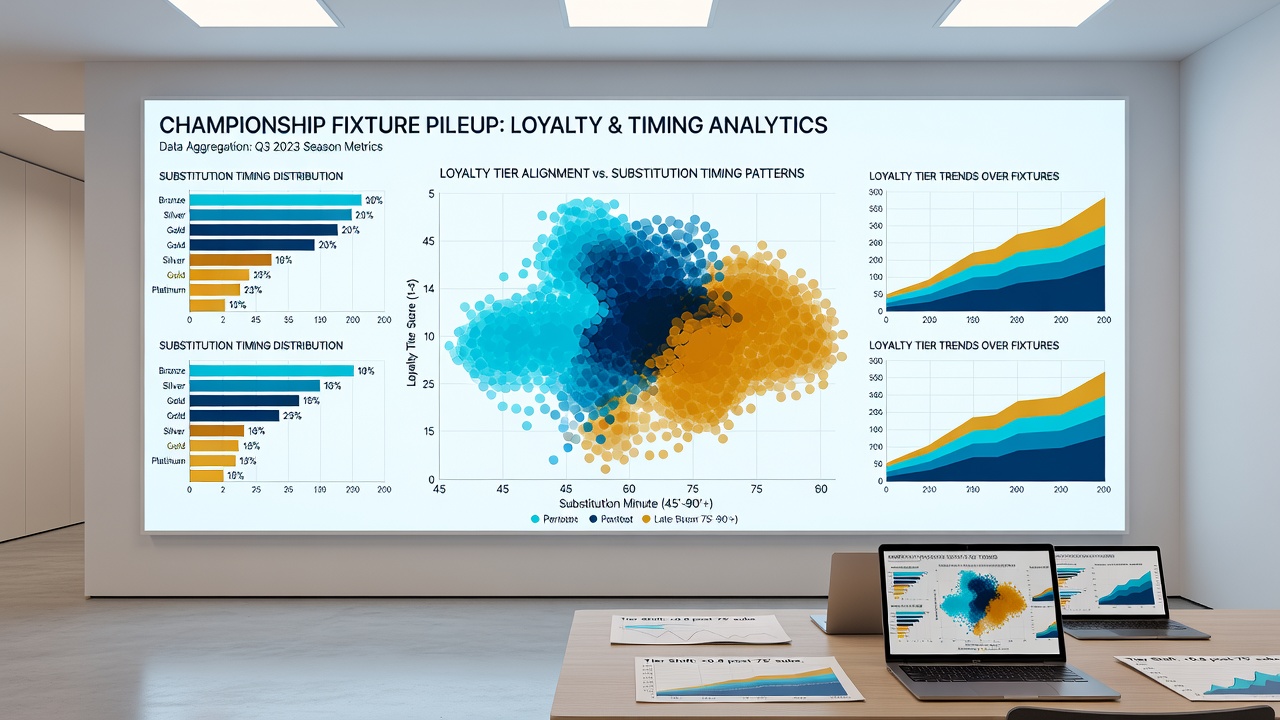
Additional data from European sports analytics providers shows that defensive-minded Championship sides tend to make their first change between minutes 50 and 58 when playing their third match in nine days, whereas attacking teams delay until after minute 62. Loyalty tiers at several sites now include multipliers that reward users who correctly predict this split, with gold members receiving double points when their selections fall inside the narrower windows typical of congested periods. The result is a direct mapping between observed substitution behavior and the rate at which bettors advance through reward levels.
Market Adjustments and Tier Progression
Bookmakers have introduced tier-specific cashback on substitution timing markets that activate automatically once a user reaches a defined point threshold within a single pileup window. One scheme refunds 8 percent of stakes on losing second-substitution bets if the user has already placed at least four qualifying wagers in the preceding 14 days, a rule that tracks the average number of rotation opportunities created during a typical November cluster. These mechanics encourage sustained activity rather than single large deposits, and the structure mirrors the repeated substitution events that occur when teams manage limited squad depth across multiple fixtures.
Industry organizations such as the European Gaming and Betting Association have published summaries showing that loyalty-driven bet volumes on in-game micro-markets grew 19 percent year-on-year during the 2026 autumn schedule. Parallel findings from Canadian research groups tracking sports wagering patterns confirm that users who advance through tier levels maintain higher engagement rates when promotions align with measurable on-pitch events such as early substitutions in congested leagues. The Championship data therefore functions as a predictable input for operators seeking to calibrate reward structures against actual fixture demands.
Conclusion
Substitution timing patterns during Championship pileups supply a recurring data set that loyalty tier systems now incorporate through weighted points, accelerated upgrades, and targeted cashback. The November 2026 congestion period demonstrated clear correlations between earlier average substitution minutes and increased tier progression activity among users focused on those markets. As fixture calendars remain dense through the winter months, the alignment between observed rotation behavior and loyalty mechanics continues to shape how platforms structure rewards for consistent engagement with in-game events.