Prediction Markets Drive Shifts in U.S. Sportsbook Handles Over Recent Period
Quinn Albrecht · Nov 21, 2026

Prediction Markets Drive Shifts in U.S. Sportsbook Handles Over Recent Period
Data from state regulators indicates that U.S. sportsbook handle fell year over year in eight of the last ten months beginning in December 2025, and an RG analysis of those state reports attributes roughly one-third of the slowdown to the rise of prediction markets such as Kalshi. Only the months surrounding the FIFA World Cup kept overall 2026 figures in positive territory, while mature markets including New Jersey, Pennsylvania, and Nevada recorded consistent declines. Kalshi sports volume expanded sharply and reached around $15 billion by September 2026.
State Data Reveals Pattern of Declines
Monthly reports published by state regulators and lotteries show the handle trend across both online and retail channels, and those figures reveal repeated year-over-year drops outside the World Cup window. Observers note that the pattern held steady through most of the measured period, with positive results limited to the tournament months that boosted activity across multiple jurisdictions. Researchers tracking the data point to the same ten-month span and confirm the eight-month decline count, while the remaining two months aligned directly with World Cup scheduling.
Prediction Markets Account for Significant Share of Slowdown
According to the RG analysis, prediction markets explain approximately one-third of the overall handle slowdown, and this attribution comes from cross-referencing state totals with Kalshi activity levels. Figures indicate Kalshi sports volume grew dramatically and hit roughly $15 billion in September 2026, a level that coincided with reduced activity at traditional sportsbooks. Those who examined the numbers found the correlation strongest in markets where prediction platforms offered direct alternatives to standard betting options on the same events.
Performance in Established Markets
Handle dropped in mature markets such as New Jersey, Pennsylvania, and Nevada, and state data shows these jurisdictions followed the broader national pattern outside the World Cup period. Reports from regulators in each state document the year-over-year comparisons, and the declines persisted even as total handle in those locations remained substantial. Analysts reviewing the figures note that the three states represent some of the longest-operating legal markets, yet they still experienced the same contraction seen elsewhere during the ten-month stretch.
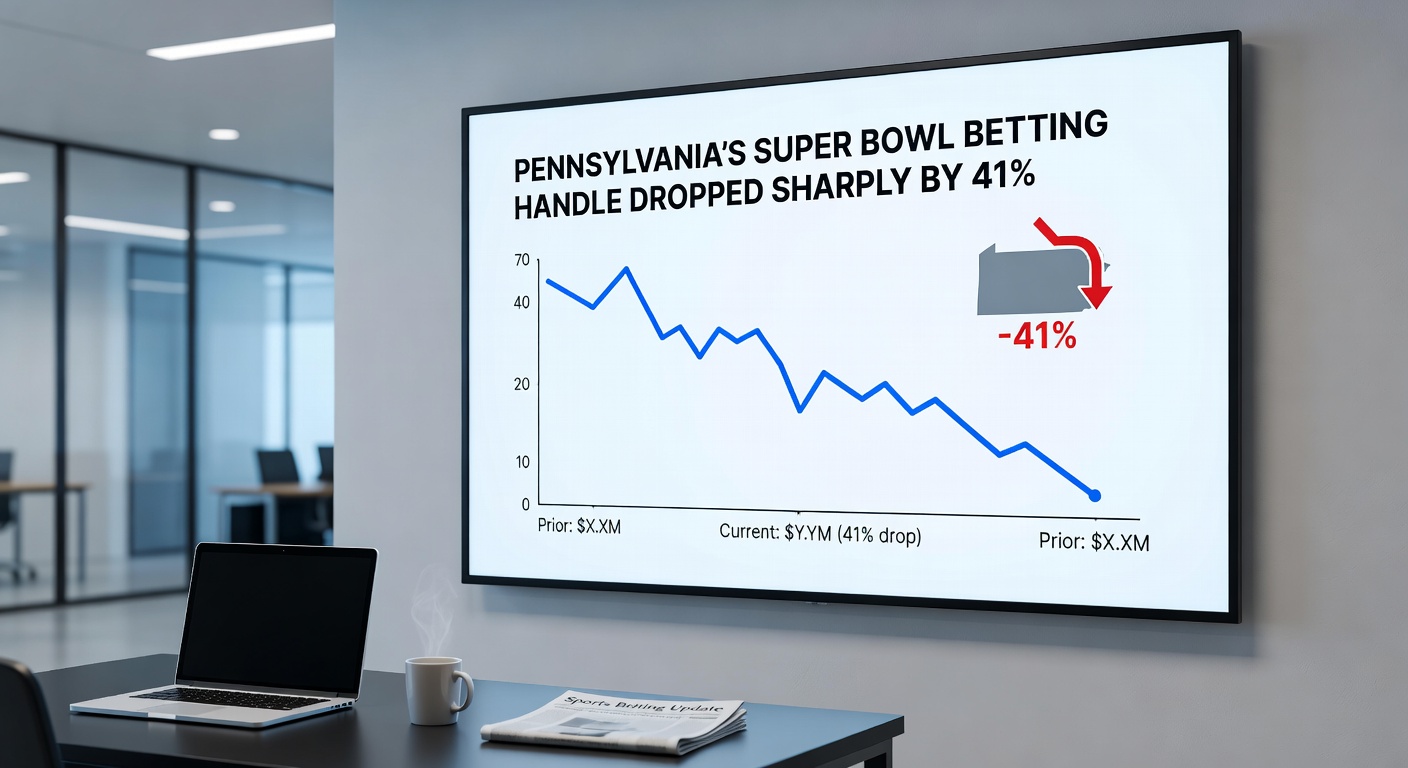
Further review of the state-by-state breakdowns confirms that the World Cup months provided the only offsets, and without those spikes the full-year totals would have shown larger net declines. Data from the same regulatory sources tracks monthly handle against the prior year and isolates the tournament effect as the key positive driver. Experts who compiled the RG analysis emphasize that the remaining months followed a consistent downward trajectory across the measured jurisdictions.
Kalshi Volume Growth and Market Context
Kalshi sports volume reached around $15 billion in September 2026, and that expansion occurred alongside the documented slowdown at sportsbooks. State reports do not isolate every factor behind the handle changes, yet the RG study isolates prediction-market activity as a measurable contributor that accounts for about one-third of the shift. Observers tracking both sectors note that the timing of Kalshi growth lines up with the eight months of year-over-year declines, and the platform’s event-based contracts overlap with many of the same contests that generate sportsbook handle.
Additional context from the aggregated state data shows that overall 2026 results stayed positive solely because of the World Cup months, while the other periods produced net reductions. The RG analysis integrates those monthly figures with Kalshi volume trends and produces the one-third attribution for the slowdown. Regulators continue to release fresh reports each month, and those updates allow ongoing comparison of sportsbook handle against prediction-market activity through the end of 2026.
Conclusion
The RG analysis of state regulatory data establishes a clear record of year-over-year handle declines in eight of ten months since December 2025, with prediction markets such as Kalshi linked to roughly one-third of that reduction. Only FIFA World Cup periods prevented a broader negative result for 2026, and mature markets in New Jersey, Pennsylvania, and Nevada followed the same pattern. Kalshi sports volume reached approximately $15 billion by September 2026, providing a measurable point of comparison for the observed shifts in traditional sportsbook activity.