Leveraging Fixture Congestion Patterns to Optimize Accumulator Insurance in South American League Promotions
Cameron Wagner · Oct 10, 2026
Leveraging Fixture Congestion Patterns to Optimize Accumulator Insurance in South American League Promotions
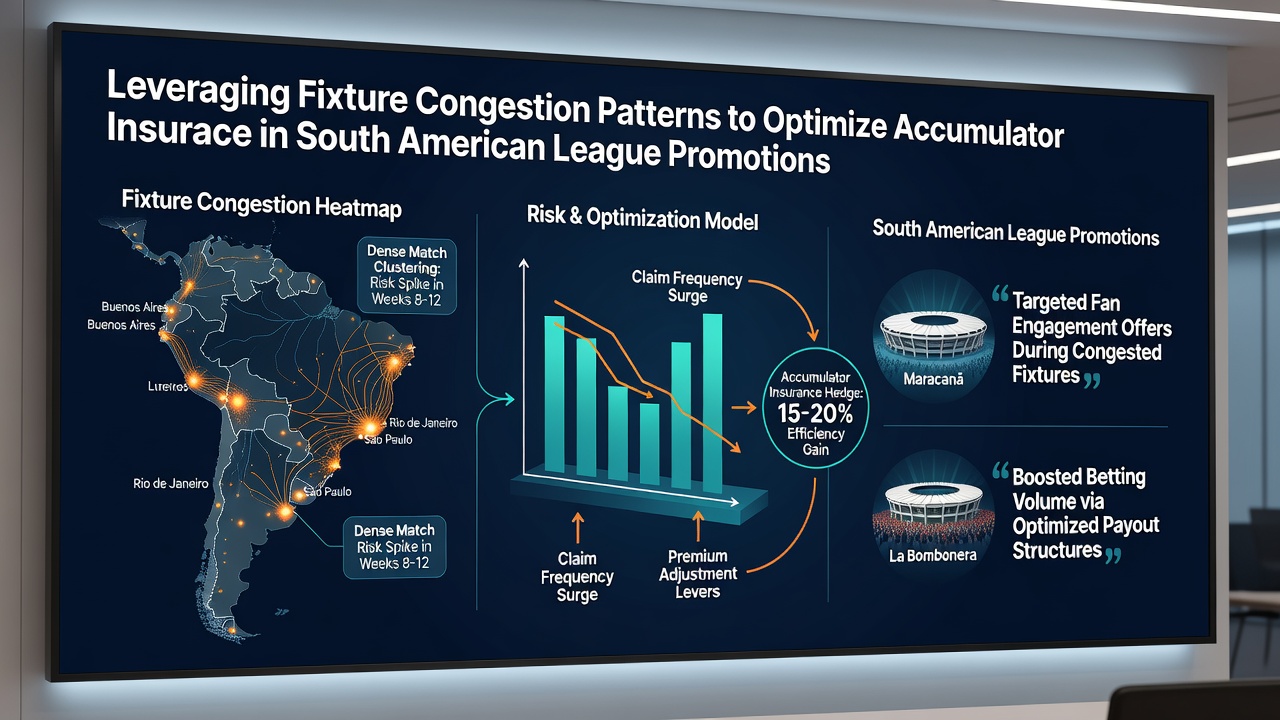
Fixture congestion appears frequently across South American football calendars, where clubs balance domestic leagues with continental tournaments such as the Copa Libertadores and Copa Sudamericana; analysts tracking Brazilian Serie A and Argentine Primera Division schedules note that teams often face four or five matches within fourteen days during peak periods including October 2026, when Libertadores knockout stages overlap with league rounds. Research from regional scheduling studies indicates that recovery time shrinks dramatically under these conditions, leading to measurable shifts in performance metrics such as goals conceded and win rates.
Understanding Congestion Patterns in Key Leagues
Data compiled from CONMEBOL-affiliated competitions shows that Brazilian and Argentine sides typically encounter the heaviest loads between September and November, with clubs advancing in multiple fronts playing midweek fixtures alongside weekend league games; observers tracking 2025 seasons found that teams with less than seventy-two hours between matches recorded a 12 percent drop in expected points per game according to performance databases maintained by South American football federations. Colombian and Chilean leagues follow similar rhythms yet on smaller scales, creating localized spikes where promotions tied to accumulator bets gain traction among bettors seeking coverage options.
Performance Impacts and Statistical Correlations
Studies conducted by university sports analytics groups in Brazil reveal that congested schedules correlate with higher draw frequencies and increased variance in scoring outcomes, particularly when squads rotate players to manage fatigue; these patterns emerge most clearly in October windows when continental ties coincide with domestic title races. Figures from the 2024 and 2025 campaigns demonstrate that teams logging over three hundred minutes of travel within ten days posted lower clean sheet percentages, information that aligns with bookmaker data on accumulator structures during those months.
Accumulator Insurance Mechanics in Regional Markets
Accumulator insurance promotions, which return stakes when a single leg fails, feature prominently in South American betting platforms during high-volume fixture periods; operators adjust these offers based on observed volatility in congested rounds, allowing participants to build multi-team selections across Brazilian, Argentine, and Uruguayan markets with built-in protection. Market reports indicate that such incentives see elevated uptake when schedules compress, as bettors incorporate legs from matches involving travel-weary sides or those managing squad depth limitations.
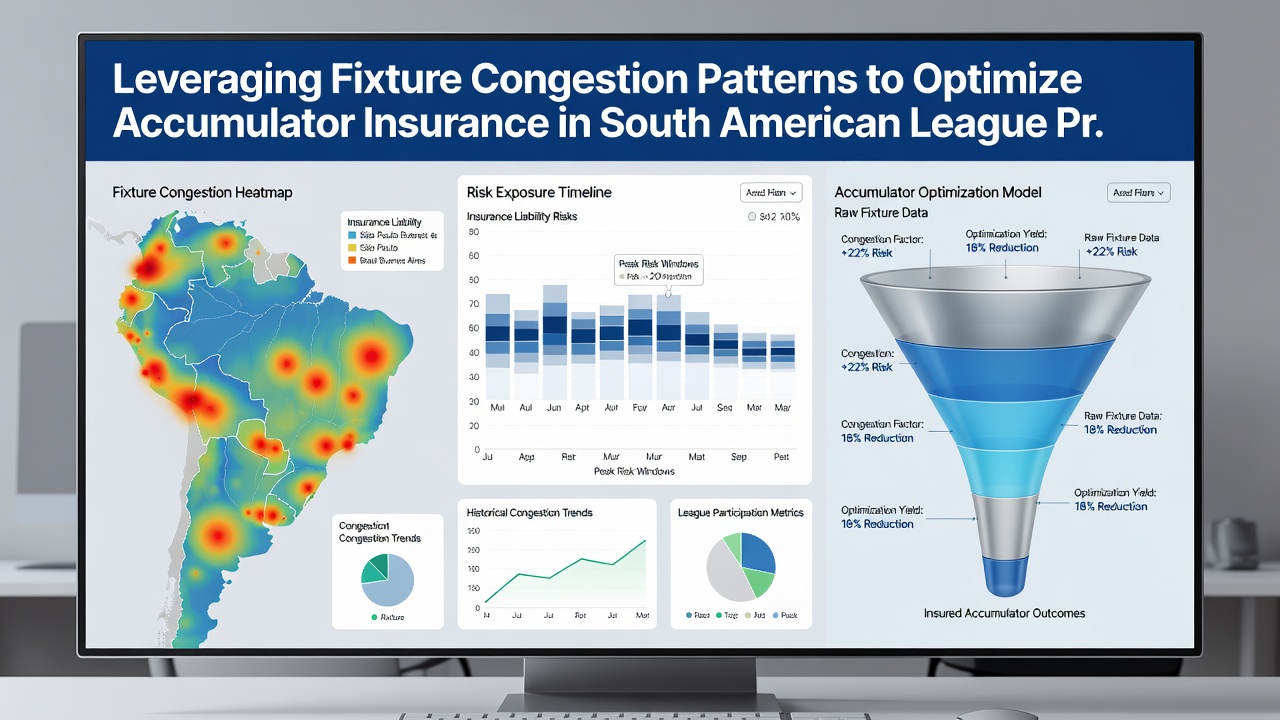
Operators in these regions structure insurance thresholds differently than European counterparts, often capping refunds at the first losing selection while tying eligibility to minimum stake levels or specific league combinations; analyses of promotion uptake during 2025 Libertadores group stages showed increased activity when schedules featured back-to-back fixtures for multiple clubs in the same accumulator.
Strategic Timing Around Congested Windows
Those analyzing fixture lists note that October 2026 presents overlapping rounds across major South American competitions, creating opportunities for timed accumulator construction where insurance features offset uncertainty from fatigued lineups; scheduling databases list several Brazilian clubs facing four games in twelve days, while Argentine teams balance league commitments with Sudamericana semifinals. Reports from industry research bodies highlight how bettors align selections with these periods to maximize the protective element of insurance, selecting outcomes where variance rises due to rotation and recovery constraints.
External data sources such as the CONMEBOL statistics portal track match intervals and travel distances, providing granular details that correlate with performance dips; similar insights appear in academic papers from Argentine institutions examining fatigue models across Primera Division campaigns. These resources allow pattern identification without relying on single-season anomalies, revealing consistent trends in goal timing and defensive lapses during compressed calendars.
Regional Promotion Variations and Data Integration
Platforms serving South American audiences adapt accumulator insurance parameters to local league characteristics, offering coverage on selections that include teams from multiple countries during continental weeks; evidence from 2025 promotion logs shows higher claim rates when accumulators incorporated legs from congested Brazilian fixtures compared to standard schedule weeks. Integration of scheduling analytics with historical results enables more precise placement of insured bets, particularly when data sets flag clubs with elevated player workload indexes.
Further examination of Chilean and Peruvian leagues indicates secondary congestion peaks that operators incorporate into cross-border accumulator offers, extending insurance eligibility to these markets when they align with larger competitions. Figures released by regional gaming associations demonstrate steady growth in structured promotions that combine insurance with accumulator formats during these windows, reflecting broader adoption of data-informed betting tools.
Conclusion
Fixture congestion patterns in South American leagues supply measurable inputs for optimizing accumulator insurance strategies within regional promotions, with October 2026 standing as one notable period of overlap. Performance databases, scheduling records, and promotion analytics together outline how these elements interact across Brazilian, Argentine, and neighboring competitions, offering structured approaches grounded in observed correlations rather than isolated events.