Decoding Bonus Stacking Protocols Amidst Fixture Density in South American Copa Libertadores
Cameron Wagner · Sep 12, 2026

Decoding Bonus Stacking Protocols Amidst Fixture Density in South American Copa Libertadores
Fixture density in the Copa Libertadores creates a compressed calendar where clubs often play multiple high-stakes matches within short windows, and observers note that this pattern influences how betting platforms structure and manage bonus stacking protocols. September 2026 saw several teams navigate three matches in ten days during the knockout phase, which prompted operators to adjust promotion timelines and eligibility rules to align with these schedules.
Fixture Patterns and Calendar Pressures
CONMEBOL schedules group stage rounds with tight turnarounds that intensify as the tournament progresses into quarterfinals and beyond, while data from recent seasons shows average rest periods dropping below four days for several South American clubs. This compression forces teams into rapid recovery cycles, and analysts track how such conditions affect player availability and match outcomes that in turn shape betting markets. Operators respond by timing bonus activations to coincide with midweek fixtures rather than weekend domestic games, which allows promotional windows to capture increased engagement during these dense periods.
Bonus Stacking Mechanisms in Practice
Stacking protocols permit users to combine welcome offers with reload bonuses and cashback structures, yet platform terms require sequential activation steps that prevent simultaneous use of conflicting promotions. Researchers examining operator policies across Latin American markets found that most systems enforce a 24-hour cooldown between stacked claims, a measure designed to manage liability when fixture clusters generate higher betting volumes. These rules become particularly relevant when multiple Copa Libertadores matches occur on consecutive evenings, because bettors often attempt to layer accumulator boosts onto live in-play options during rapid succession games.
Platform Adjustments During Peak Periods
During September 2026, several operators introduced temporary extensions to bonus validity periods to accommodate the fixture pile-up, and figures from industry tracking services indicate that such extensions increased redemption rates by measurable margins. One approach involved linking deposit multipliers directly to specific tournament legs, so that a user completing a first deposit could unlock an additional free bet token only after placing wagers on designated quarterfinal ties. This structure encourages sustained activity across the dense schedule while maintaining compliance with regional regulatory frameworks.
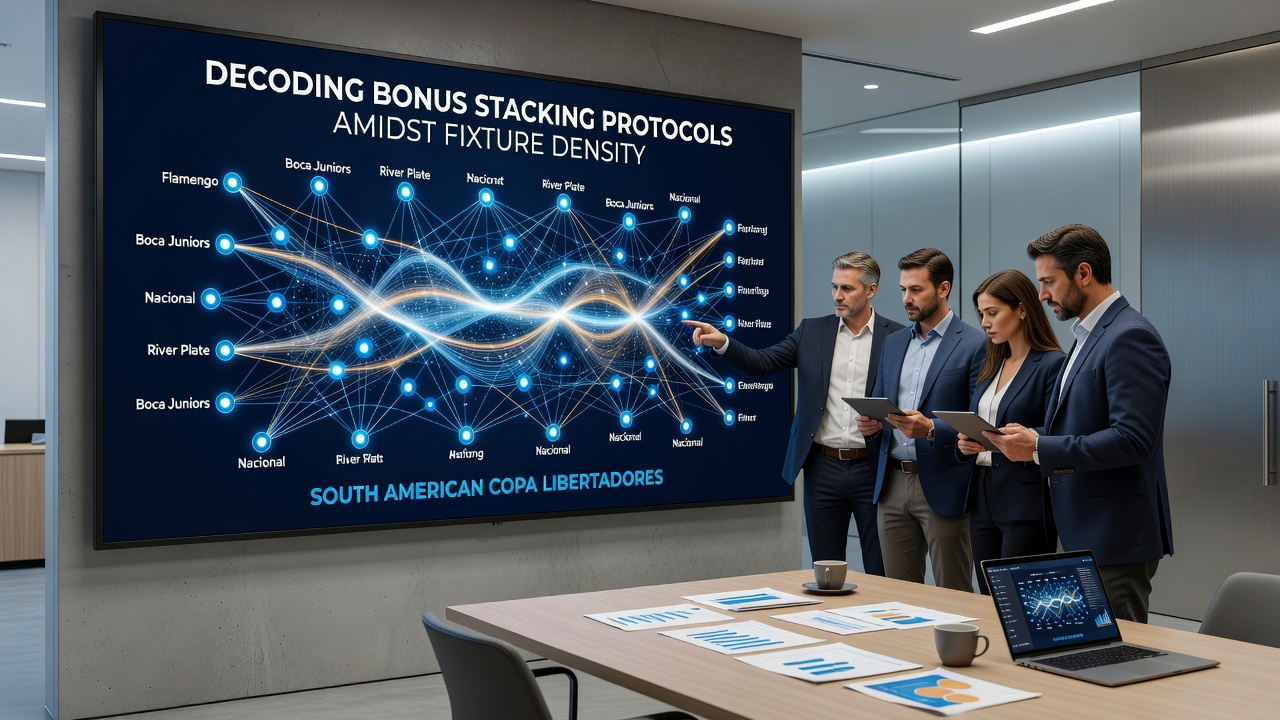
External data from the Canadian Gaming Association highlights how cross-border operators adapt stacking limits when South American competitions overlap with other continental events. The report notes that platforms often cap total bonus value per account during these overlaps to control exposure, and similar patterns appear in regulatory filings from Australian oversight bodies that monitor international fixture impacts on wagering activity.
Eligibility Verification and Compliance Layers
Verification processes require account holders to confirm identity and location before stacked bonuses activate, and this step becomes critical when users access promotions across multiple time zones during a packed Libertadores week. Operators integrate automated checks that flag attempts to claim overlapping offers within the same fixture cluster, thereby reducing disputes over eligibility. Those who monitor these systems report that the verification layer also helps platforms align with varying legal requirements across participating nations, since each jurisdiction imposes distinct rules on promotional mechanics.
Market Data and Redemption Trends
Industry reports compiled by academic research groups at European universities show elevated redemption activity during Copa Libertadores knockout stages, with stacking protocols accounting for a significant share of total promotional volume. The patterns reveal that bettors who combine reload offers with accumulator enhancements tend to maintain higher engagement levels when matches occur in quick succession, compared with periods of sparser scheduling. Such trends prompt operators to refine protocol parameters ahead of each new tournament cycle, incorporating historical fixture data to forecast optimal bonus windows.
Conclusion
Bonus stacking protocols evolve in response to the fixture density inherent in Copa Libertadores schedules, and September 2026 provided fresh examples of how operators calibrate terms to match the tournament's rhythm. Regulatory updates and platform data continue to shape these mechanisms, while verification systems and market tracking ensure that promotions remain aligned with both user demand and compliance standards across the region.