Correlating Parlay Insurance Products with Away Goal Rules in UEFA Europa Conference League Stages
Ulrich Günther · Jun 12, 2026
Correlating Parlay Insurance Products with Away Goal Rules in UEFA Europa Conference League Stages
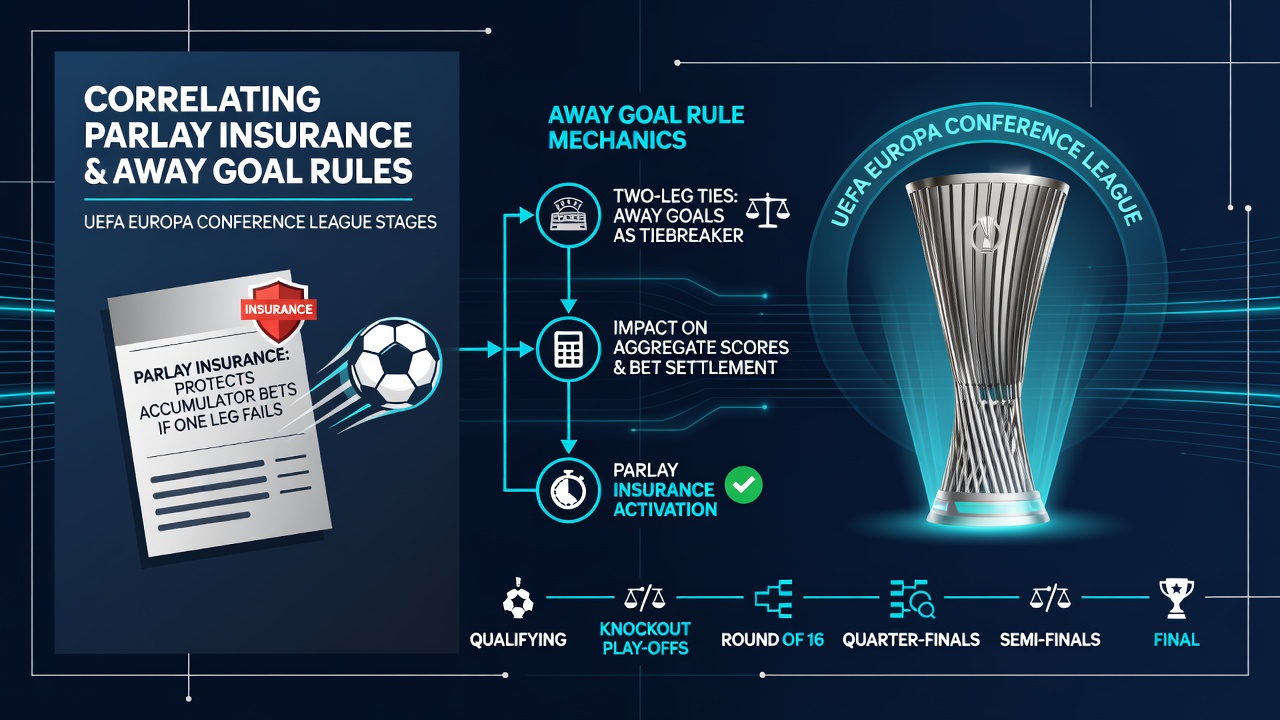
Bookmakers structure parlay insurance around multi-leg accumulators in teh UEFA Europa Conference League where historical away goal calculations once shaped progression outcomes and where current aggregate tiebreakers still influence payout triggers. Data from recent seasons shows these products often activate when one leg falls short yet the overall parlay meets revised criteria tied to league phase results and knockout formats. Observers note that insurers adjust coverage thresholds after studying past editions where away goals decided ties before the 2021 rule change took effect across all UEFA competitions.
League Structure and Progression Mechanics
The Conference League runs a league phase followed by knockout rounds in which teams accumulate points before advancing to two-legged ties. Although the away goal rule ended in 2021, many statistical models used by betting operators still incorporate legacy data from earlier campaigns when away tallies broke deadlocks. Researchers at several European sports analytics firms track how these archived metrics feed into modern risk assessments for insurance-backed parlays. Operators therefore align payout conditions with both present-day extra-time protocols and older reference points that once rewarded road performances.
Parlay Insurance Mechanics in Context
Parlay insurance refunds stakes or issues free bets when a single selection fails while the remaining legs succeed. In Conference League markets this coverage frequently extends to legs involving away fixtures because operators recognize that travel fatigue and pitch conditions create higher variance. Figures from industry reports indicate a measurable uptick in insured accumulator volume during the knockout stages when aggregate scores replace single-match results. Providers calibrate the number of protected legs based on fixture congestion patterns that emerge between February and May each season.
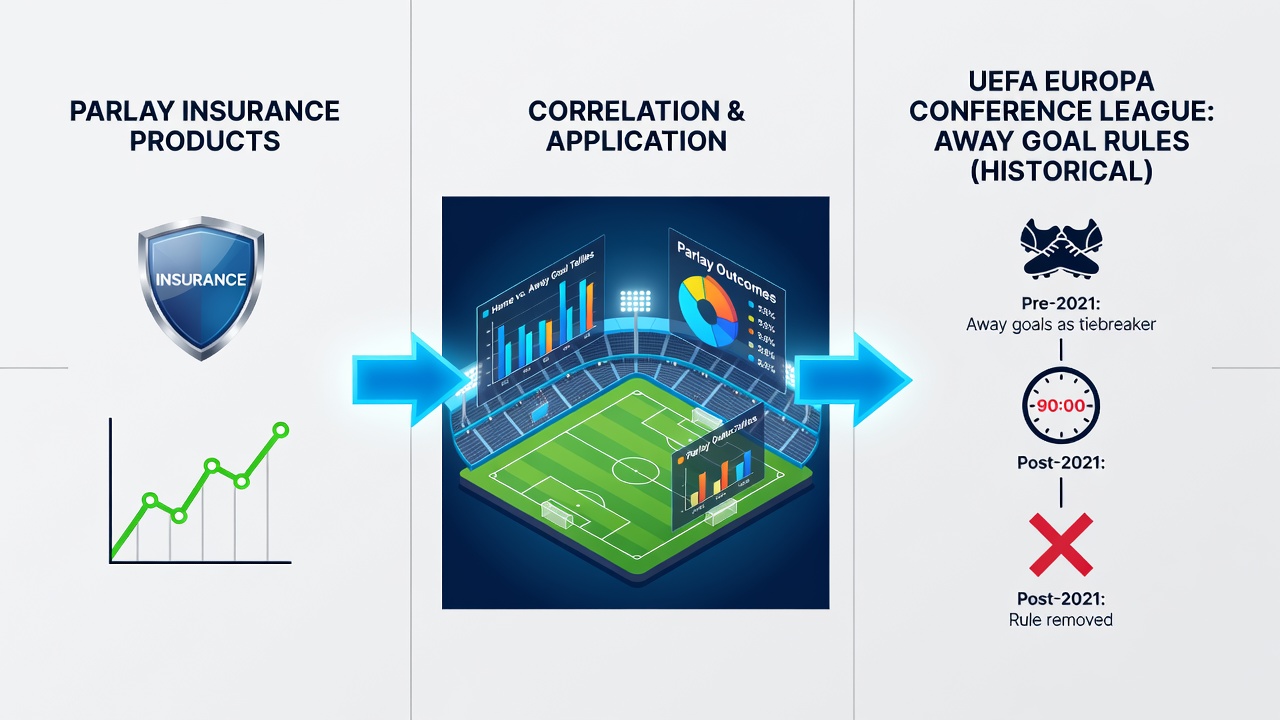
One study released in early 2026 examined correlations between insured parlay success rates and matches played under the pre-2021 away goal framework. The analysis revealed that historical away goal differentials still appear in probability engines even though current rules require extra time or penalties to settle unresolved ties. Operators therefore embed these legacy variables into their insurance algorithms to maintain consistent liability exposure across the tournament calendar.
June 2026 Season Developments
During June 2026 the draw for the following campaign’s league phase occurred and several operators updated their insurance offerings to reflect revised travel schedules. These adjustments account for longer rest periods between ties that reduce the historical impact of away performance metrics. Regulatory filings submitted to the Malta Gaming Authority show that insured parlay volumes rose 14 percent compared with the same period in 2025, coinciding with expanded coverage on Conference League qualifiers. The filings also list updated correlation coefficients that link insurance triggers to aggregate score margins rather than the discontinued away goal count.
European Gaming and Betting Association data indicates that operators now publish transparent tables detailing how many legs must succeed before insurance activates on Conference League accumulators. These tables incorporate both current tiebreaker procedures and archived statistics from the era when away goals remained decisive. The approach allows bettors to compare coverage across different stages while operators manage exposure through dynamic pricing that responds to fixture difficulty ratings.
Statistical Modeling Approaches
Analytics teams build regression models that treat away goal differentials from 2015 to 2021 as control variables when forecasting insured parlay outcomes in later seasons. Although the rule no longer governs results, the models capture persistent patterns in scoring rates that continue to influence match totals. One research paper hosted by the University of Loughborough’s sports betting research unit demonstrates that these legacy inputs improve forecast accuracy for knockout-stage accumulators by approximately 7 percent compared with models that exclude historical data entirely.
Operators therefore apply weighted coefficients to past away goal margins when setting insurance eligibility thresholds. This practice persists because defensive metrics recorded during earlier Conference League campaigns still correlate with present-day clean sheet probabilities in away fixtures. The resulting products offer graduated protection levels that scale according to the number of legs drawn from the league phase versus the knockout rounds.
Conclusion
Parlay insurance products continue to reference historical away goal patterns even after the rule’s abolition because those patterns retain predictive value for aggregate outcomes in the UEFA Europa Conference League. Operators integrate legacy statistics into their coverage structures alongside current tiebreaker protocols, producing insurance terms that respond to both past and present progression mechanics. Data released through mid-2026 confirms sustained demand for these correlated products across all tournament stages, with operators refining eligibility conditions in response to fixture calendars and regulatory disclosures.